


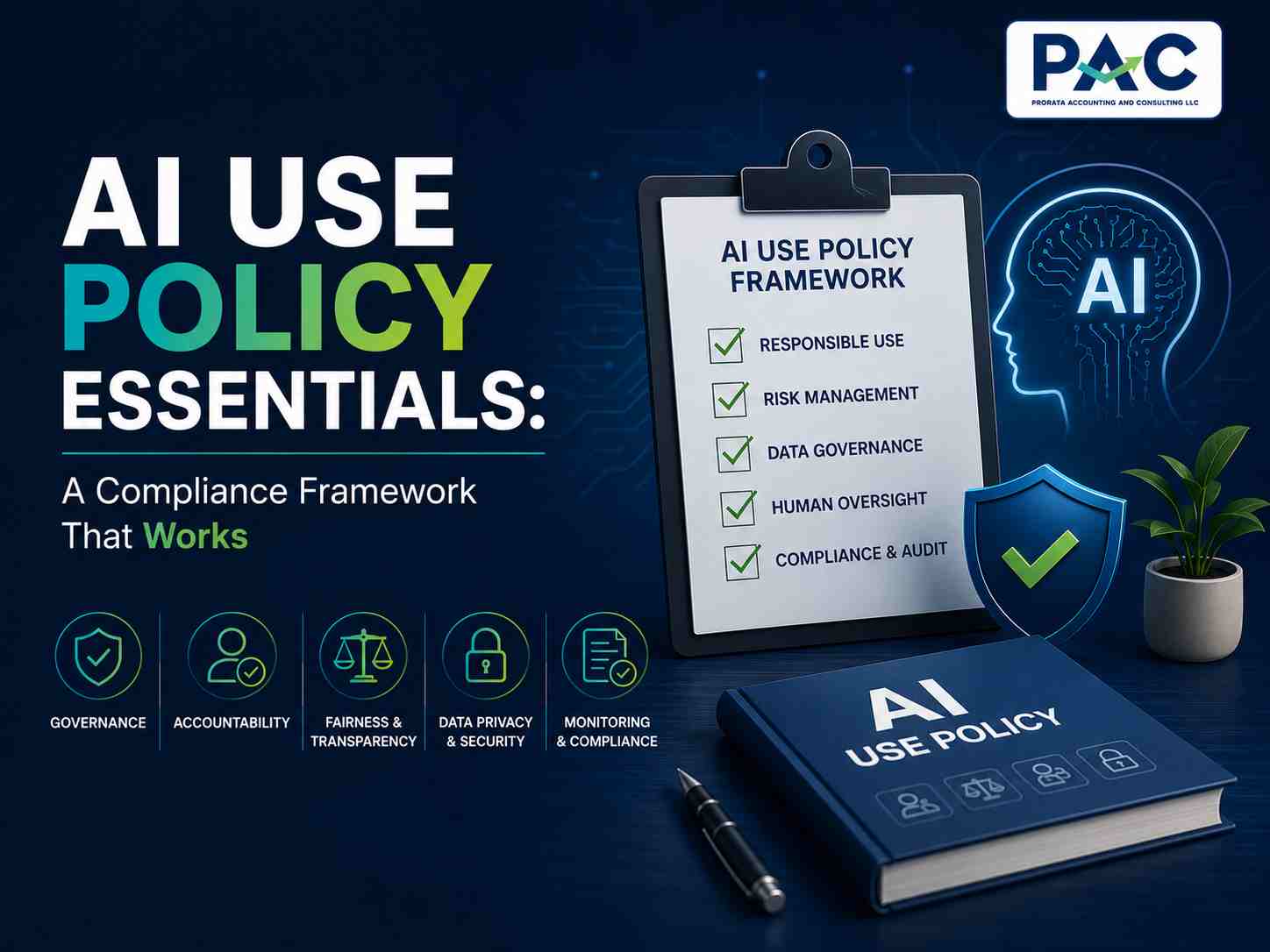
AI Use Policy Essentials: A Compliance Framework That Works
-
Artificial intelligence trends are changing industries very fast. Companies are using artificial intelligence in automated processes, data analysis, customer service, and decision-making processes. In addition to the advantages, there are risks concerning safety, compliance, bias, and privacy in AI. Companies that have a policy on using artificial intelligence help to protect the data, as well as employees and customers. Policies ensure accountability and transparency, too. A good compliance infrastructure ensures the AI is implemented safely, responsibly, and within all regulations and market & industry standards.
● Clearly define the policies on the use of artificial intelligence
The responsibilities for companies to establish the principles by which employees are to interact with and use AI must be clear. These guidelines should specify the approved uses of AI tools, forbidden uses, acceptable and not permitted activities, on which platforms, and in which contexts. Precise rules ensure that technologies are not used for the wrong reasons, and employees should be trained on the areas where AI can benefit them and where "human judgment" is required.
● Focus on maintaining data integrity and privacy
AI often processes data that is sensitive, important to businesses, or both. Clear procedures for handling this information should be laid out in policies. Staff should not input personal details in non-approved AI tools. This can be mitigated by installing security measures, such as encryption and access controls. It should remain compliant with region- and industry-specific data protection regulations.
● Implementation requires human monitoring systems
AI might provide unreliable and biased results sometimes. Companies must ensure that systems have human oversight, particularly before any major business decisions are made. This supervision helps to address mistakes, erroneous outputs, or regulatory non-compliance. Automation can accelerate tedious, manual jobs. Also, it is important to avoid losing out on human judgment about the critical decisions. This level of control ensures a responsible result.
● Address ethical considerations/biases
The AI use policy should address ethics. Businesses have to be attentive to AI that can learn to become biased, especially when systems are iterative. Testing procedures should be put in place to confirm the validity and fairness of AI systems. Ethical principles are employed to ensure the technology promotes transparency.
● Ensure regular software updates on all devices
AI regulations and technology change very quickly. These policies on using AI have to be implemented, but must be monitored to ensure their efficiency and adherence. Audits, monitoring tools, and feedback loops must be installed in order to find out any issues. AI use policy framework will allow companies to adapt to threats and legal aspects more efficiently, while promoting creativity and productivity.
Using AI for a Compliance Framework!
Detailed policy implementation on using AI should be a primary framework for using AI responsibly, and it will be a form of safety in the implementation of technology. Employee education, supervised tasks, and monitoring can ensure good conduct across the company, helping to secure the organization and successfully adopt the technology. As innovation continues, companies that implement a clear compliance framework for the use of AI will have better customer relations and secure their market position.
Also Read : Common Bookkeeping Errors and Their Impact on Cash Flow